Underwriting
The inspection, and what it will not find
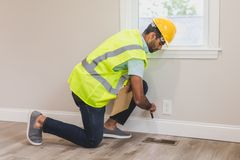
A general inspection is a visual survey by a generalist, and the expensive problems are usually the ones behind something.

A general home inspection is a visual, non-invasive examination of accessible components. That definition is in the standards of practice, and it defines the limits precisely.
The inspector does not open walls, lift flooring, dig, dismantle equipment or perform destructive testing.
What a general inspection covers well
Visible roof condition and apparent age. Exterior cladding, windows and doors. Visible structural elements where accessible. Plumbing fixtures and visible piping. Electrical panel, visible wiring and outlets. HVAC operation and apparent age. Attic and crawlspace where accessible. Grading and drainage. Safety items such as alarms, railings and stairs.
That is genuinely useful and it is the floor, not the ceiling, of due diligence on an investment purchase.
What it routinely misses
Anything behind a wall. Plumbing supply lines, drain lines, wiring runs, insulation, structural framing, and water damage that has not yet reached a visible surface.
Sewer lateral condition. The line from the building to the municipal main is the property owner's responsibility in most jurisdictions, and replacement runs into five figures.
Old clay and cast iron lines fail, and root intrusion is common. A general inspection does not assess this at all.
A sewer scope is inexpensive and it is the single highest-value additional inspection on any older property.
Systems that were not operating during the inspection. Air conditioning cannot be safely tested below certain temperatures, and heating is not meaningfully tested in summer.
Anything under snow, water or stored belongings. An inspection conducted in a full building, with tenants' possessions everywhere, covers far less than one in an empty unit.
This is a significant limitation on occupied multifamily purchases and it is why unit access during due diligence matters.
Underground storage tanks, common in older properties in some regions and a serious environmental liability.
Environmental hazards — asbestos, lead paint, radon, mold behind surfaces — which require separate specialist testing.
Code compliance and permit history. Inspectors do not verify that work was permitted. Unpermitted additions and converted units are extremely common and create insurance, financing and legal exposure.
The additional inspections worth ordering
Sewer scope, on anything built before roughly 1980, and arguably on everything.
Roof inspection by a roofing contractor, who will give you remaining life and a replacement quote rather than a visual note.
HVAC evaluation by a technician, particularly on older equipment, including heat exchanger inspection on furnaces.
Electrical evaluation where the panel is old, where there is aluminum branch wiring, knob-and-tube wiring, or a panel brand with a known failure history.
Structural engineer where any foundation movement, cracking or settlement is noted. A general inspector will recommend this and the recommendation should be followed rather than treated as boilerplate.
Pest and wood-destroying organism inspection, which is separate from a general inspection in most states.
Environmental site assessment on commercial property, which lenders generally require anyway.
The total cost of a thorough inspection package on a small property is perhaps a couple of thousand dollars. Against a purchase in the hundreds of thousands, with capital exposure in the tens of thousands, that is not a place to save.
Reading the report properly
Inspection reports contain a great many items and most are minor. The skill is separating them.
Safety items — address regardless.
Major systems near end of life — not defects, but scheduled expenses. A twenty-year-old furnace that works is a $6,000 bill on an unknown date, and it belongs in your capital plan.
Water intrusion, past or present — the most important category. Water causes structural damage, mold and rot, and evidence of it warrants investigation rather than a note.
Structural indications — investigate properly.
Cosmetic and minor items — largely noise, useful for negotiation and not for decision-making.
Using it in negotiation
Two approaches, and the second is generally better for investors.
Requesting repairs means the seller does the work, usually to the minimum acceptable standard, by whoever they can get quickly.
Requesting a price reduction or credit means you do the work, to your standard, with your contractor, on your timeline.
The exception is anything that must be resolved for the loan or insurance to proceed.
Attend it
Walk the property with the inspector. What they say aloud is frequently more informative than what appears in the report, since reports are written defensively.
Ask directly: what would concern you most about this property? What would you budget for over the next five years?
Those two questions produce better information than the document does.
The framing
An inspection is not a pass or fail. Every property has issues.
Its purpose is to convert unknown condition into a costed capital plan, which then goes into your underwriting.
An investor who buys with a clear five-year capital budget derived from the inspection is in a completely different position from one who bought because the inspection "came back fine."
General information about property due diligence, not professional inspection or legal advice. Inspection standards and disclosure requirements vary by jurisdiction. Engage qualified licensed professionals for any specific property.
Also by Rosa Delgado
- What we would tell someone starting todayStrategies
- Bookkeeping systems that survive an audit and a decadeTax & Structure
- The annual review every landlord should doRental Operations
- The first deal: a realistic sequenceStrategies