Rental Operations
Utilities, sub-metering and billing back
Owner-paid utilities are an uncapped expense with no incentive on the consumption side, and the fix is one of the better returns available.
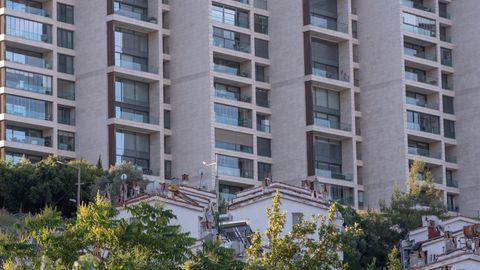
In master-metered buildings the owner pays for water, sewer, heat or electricity, and the tenants have no reason to use less.
The consequences are predictable: consumption well above metered comparables, and an expense line that rises faster than rents.
Why it matters more than it used to
Water and sewer rates have risen substantially in many municipalities, driven by infrastructure replacement costs.
In older master-metered buildings, water and sewer can represent a large share of total operating expenses, and it is entirely uncontrolled.
Meanwhile a single running toilet wastes a remarkable volume of water continuously, and nobody reports it because nobody pays for it.
The options
Sub-metering. Installing individual meters for each unit and billing actual consumption.
The cleanest solution — tenants pay for what they use, consumption falls, and the owner's exposure is eliminated.
Studies of sub-metering conversions have generally found meaningful consumption reductions, frequently in the range of fifteen percent or more, from behavior change alone.
The obstacles are cost and plumbing configuration. Older buildings frequently have plumbing that serves multiple units from shared risers, making individual metering expensive or impractical.
Where feasible, the payback period is often short.
Ratio utility billing. Allocating the total bill among units by a formula — square footage, occupancy, bedroom count, or a combination.
Cheaper to implement since no plumbing work is required.
Less fair, since it does not reflect actual usage, and it produces weaker conservation incentives because an individual tenant's saving is diluted across the building.
Flat fee. A fixed monthly utility charge. Simple, and it provides no conservation incentive at all.
The legal constraints
This is heavily regulated and the rules vary substantially.
Some states and municipalities prohibit ratio utility billing entirely. Some regulate the permitted allocation methods. Some require specific disclosures in the lease. Some cap administrative fees. Some prohibit billing back for common area usage.
Sub-metering itself is regulated in some jurisdictions, including requirements that meters be certified and that billing follow specific procedures.
There have been enforcement actions and class actions against operators who billed improperly.
Check the specific rules in your jurisdiction before implementing anything, and have the lease language reviewed.
Implementing it on existing tenancies
You generally cannot change the utility arrangement mid-lease.
The practical approach is to implement at renewal or on turnover, with clear disclosure.
Note also the economics from the tenant's perspective: a tenant paying $1,600 all-inclusive who is offered $1,600 plus utilities has received a rent increase. Presenting it otherwise damages trust.
Where a building is being converted, a common approach is to reduce base rent by an estimated utility amount and bill separately, which is roughly neutral for the tenant initially and shifts the risk of future increases and the incentive for consumption.
Be honest about what is happening.
The consumption reduction measures
Worth doing regardless of who pays, and essential where the owner does.
Low-flow fixtures. Showerheads, aerators and toilets. Cheap, fast payback, and modern low-flow fixtures perform acceptably, which was not always true.
Leak detection. A running toilet is the single largest source of waste in residential buildings. Check every toilet at every inspection — dye tablets in the tank take a minute and identify silent leaks.
Irrigation control. Automatic systems running on schedules regardless of weather waste enormous volumes. Rain sensors and smart controllers pay back quickly.
Insulation and air sealing, where heat is owner-paid. Frequently the largest available saving in older buildings.
Boiler controls and outdoor reset, in centrally heated buildings.
LED lighting in common areas, with occupancy sensors.
Monitoring. Track monthly consumption. A sudden increase means a leak, and finding it in month one rather than month six is the difference between a repair and a very large bill.
The value effect
Reducing operating expenses increases NOI, which increases value on income-valued property.
A building spending $34,000 annually on water and sewer that reduces it to $22,000 through sub-metering and conservation has added $12,000 of NOI. At a seven percent cap rate, roughly $171,000 of value.
Against a sub-metering installation cost that might be $40,000 to $60,000 on a mid-sized building.
That is among the strongest returns on capital available in property operations, and it is frequently ignored because it is unglamorous.
General information about rental operations, not legal advice. Utility billing regulations vary substantially by jurisdiction and improper billing can carry penalties. Consult a qualified attorney before implementing any billing arrangement.
Also by Rosa Delgado
- What we would tell someone starting todayStrategies
- Bookkeeping systems that survive an audit and a decadeTax & Structure
- The annual review every landlord should doRental Operations
- The first deal: a realistic sequenceStrategies