Tax & Structure
Lodging Taxes On Short Stays
Short-term accommodation is commonly subject to transient occupancy taxes collected from the guest, an obligation that is separate from income tax and enforced locally.
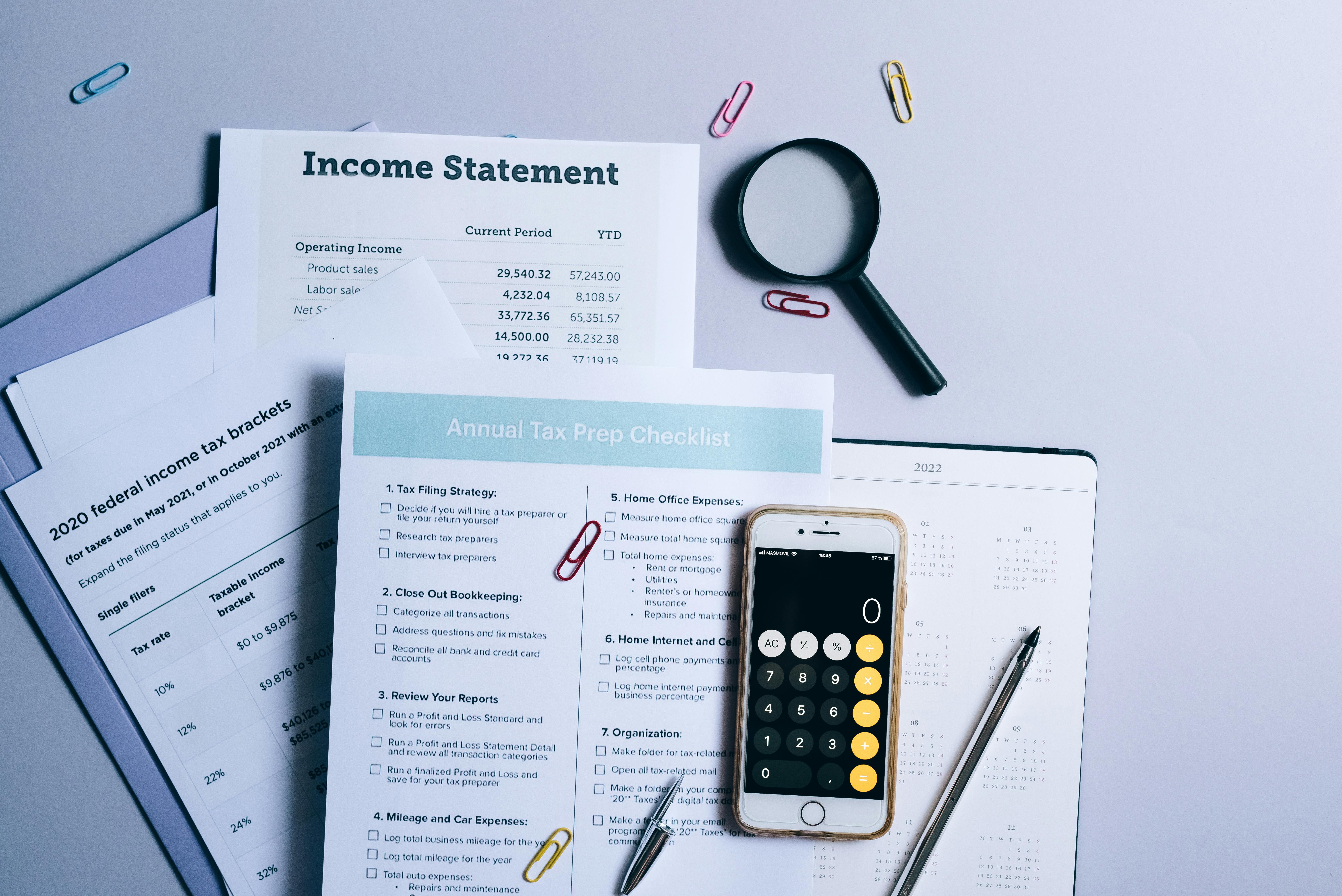
Renting accommodation for short periods generally triggers a category of tax that long-term leasing does not. These transient occupancy or lodging taxes are imposed by states, counties and cities, often simultaneously.
What the tax is
Lodging taxes are levied on the price paid for short-term accommodation. They are typically collected from the guest by the operator and remitted to the taxing authority.
The operator is generally the party legally responsible for collection and remittance, so a failure to collect from the guest does not remove the obligation to remit.
These taxes are separate from income tax on the rental profit and from property tax on the real estate, and each is administered independently of the others.
Where the boundary falls
The tax applies to stays below a defined duration, and that threshold is set by each jurisdiction rather than by any national standard.
A stay that exceeds the threshold may be exempt, which is why some operators structure minimum stays around the local definition.
Because the threshold can differ between the state, the county and the city, a single booking may be treated differently by each level of government.
Layered jurisdictions and registration
An operator may face a state lodging tax, a county tax and a municipal tax, each with its own registration, rate, return and filing frequency.
Registration typically must occur before operating, and some jurisdictions also require a separate permit or license for short-term rental use of a property.
Filing obligations often continue even in periods with no bookings, and missed returns generate penalties independent of any tax actually due.
Platform collection does not settle everything
Booking platforms collect and remit certain lodging taxes in some jurisdictions under agreements with taxing authorities, which relieves part of the burden.
Those arrangements do not necessarily cover every applicable tax, particularly at the municipal level, leaving the operator responsible for the remainder.
Direct bookings taken outside a platform are the operator's responsibility entirely, and mixing channels is a common source of underpayment.
Records showing which bookings were taxed by whom are therefore essential, because the authority assessing a shortfall will look to the operator rather than to the platform.
Verifying the obligation
Zoning and licensing rules for short-term rentals frequently sit alongside the tax obligation, and a property may be taxed for a use that local rules restrict.
The local finance or revenue department and the municipal planning office are the authoritative sources, and a CPA should handle registration and filing. These rules vary widely and change often.
Also by Nikhil Varma
- Selling: timing, costs and the tax billTax & Structure
- Demographics and the next twenty years of housing demandMarkets & Cycles
- Passive activity losses and why the tax benefit may not apply to youTax & Structure
- Is now a good time to buy?Markets & Cycles